
Dental Health in Dogs: Whole-Body Wellness Starts in the Mouth
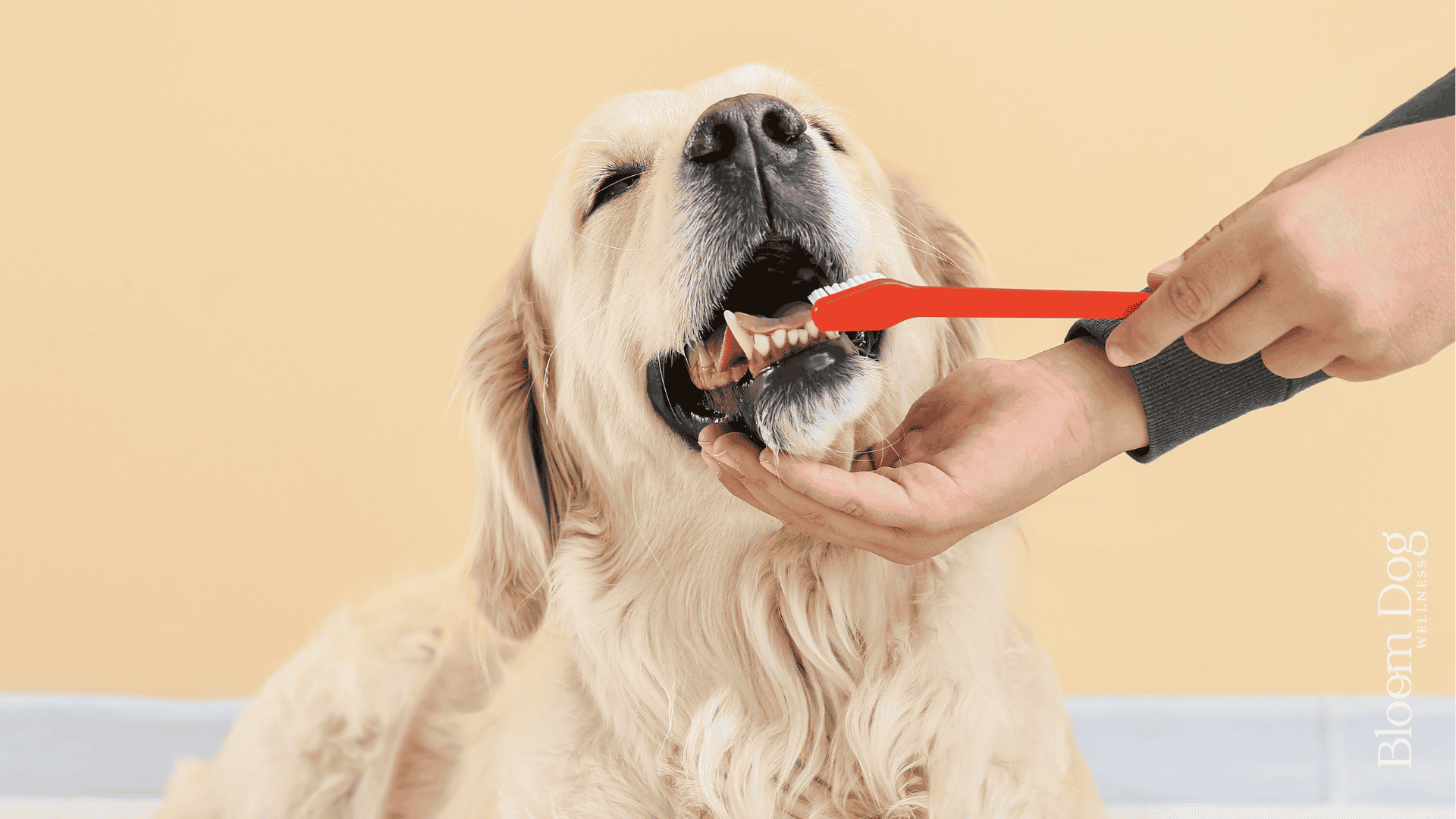
It’s Pet Dental Health Month (But This Shouldn’t Be a Once-a-Year Conversation)
It’s Pet Dental Health Month, and if dental care has been on the back burner… you’re not alone. Most pet parents don’t think about teeth until there’s bad breath, tartar, or a problem that forces their hand. But dental health is a core piece of whole-body wellness, and it matters more than most people realize.
Don’t Wait for a Crisis: Dental Health Is Whole-Body Health
Dental health in dogs is one of the most overlooked areas of wellness… until something goes wrong. And by then, it’s often more complicated—and more painful—than it needed to be.
As pet parents, we tend to wait for a problem before we take action. But when it comes to dental health, that delay can come at a high cost—not just to the mouth, but to your dog’s entire body.
Because oral health is systemic health. Infection, inflammation, and imbalance in the mouth don’t always stay there—they travel.
Possible Signs Your Dog May Have Dental Disease (Even If They Aren’t Crying in Pain)
Bad breath is the obvious one, but it’s not the only sign. Tartar buildup, red or bleeding gums, chewing on one side, dropping food, eating slower, pawing at the mouth, sudden picky eating, and facial swelling can all be signs something is going on.
Many dogs don’t act painful—they just adapt. And that’s why dental disease can be so easy to miss.
Yes, Dental Cleanings Under Anesthesia Can Be Worth It
I know this is a hard one for a lot of people. No one wants to put their dog under anesthesia, especially when they’re older or have other health issues. But here’s the truth: many dogs live with painful dental disease for years because it goes undiagnosed.
Veterinarians can’t fully assess your dog’s mouth when they’re awake. They need x-rays to see below the gum line. They need to probe the gums, lift the lips, and clean beneath the surface.
Some dogs never show pain. Others subtly change how they eat—chewing on one side, eating slower, or even chewing more to self-soothe. These signs are easy to miss.
I’m a big believer in doing things naturally—but I’m also a realist. Sometimes, a proper dental under anesthesia is one of the most important things you can do for your dog’s health and longevity.
Always request pre-dental blood work and a urinalysis—especially for older dogs—and ask about IV fluids during the procedure to protect the kidneys. Digital dental x-rays are also worth it if your vet offers them. I find many pet parents don’t want to spend the money on what some might consider “extras,” but this pre-dental workup is so important and it helps you feel a little better about your pet going under anesthesia.
Now, the whole goal is to not have to do this often. But if your pet has a problem tooth, getting it out can truly improve their quality of life—and that is the hope.
Also, when trusting a vet to perform a dental, make sure you have a vet who is skilled in dental health and surgery. Not all vets are strong in this category. I am blessed to have one of the most amazing vets on the planet, and dental is kind of her thing—so I trust her deeply. That gives me peace of mind and makes it a little less scary.
I Don’t Love Anesthesia… But Sometimes It’s Necessary (Why Whole-Body Support Matters)
I’ll be honest—I don’t love anesthesia. I don’t think any pet parent does. It can feel scary, especially with senior dogs, small dogs, or pets that already have other health concerns.
But sometimes, a dental under anesthesia is truly the right decision. If there’s a painful tooth, an active infection, or disease below the gum line, there’s no “natural workaround” that replaces getting the problem handled properly.
That said…I’m not the type to just schedule a dental and hope for the best.
I am very much a fan of supporting the body and the organs before a dental and after, because anesthesia + inflammation + infection is a real load on your dog’s system. Any surgery is a big deal—it really is—and our pets deserve support so they can recover well, bounce back faster, and feel their best on the other side.
And here’s the thing: everything in the body is connected. Just because the surgery involves the teeth doesn’t mean the rest of the body isn’t affected. The whole body feels it, and the whole body needs support.
If I have time to plan ahead, I like to start gentle body support at least two weeks before a dental (as long as you have time to plan), and then continue for 2–4 weeks after. And yes—this is where I personally turn to herbs. Supporting the body this way has worked so well for my senior dogs over the years.
For example, my little girl Vida had 3 dental surgeries in 2023–2024 to remove problem teeth, and I truly believe that supporting her body before and after made a big difference in how well she recovered and how quickly she bounced back. And just about a week ago, my boy Eli — who is 15 years old — had dental surgery to remove an infected tooth. He had never had dental issues for most of his life, but at this stage, quality of life matters most. If removing a painful, infected tooth gives him more comfort and more good days, then that is the responsible decision.
I won’t pretend it didn’t make me nervous. It did. But I had peace of mind knowing their pre-anesthesia workups looked good, that I supported their bodies before and after surgery, and that I am blessed to have a veterinarian who is highly skilled in dental health and surgery. Trust in your vet goes a very long way when you’re faced with having to make decisions about dental surgery for your dog or cat.
This doesn’t replace proper vet care or the dental procedure itself. It’s simply part of a smarter, more supportive plan that honors the whole body… not just the teeth.
Your Dog’s Mouth Could Be the Source of Chronic Disease
Recent research and integrative and holistic professionals are bringing the connection between the oral microbiome and chronic illness in dogs into sharper focus. Just like in humans, the bacteria and inflammation from periodontal disease can influence far more than just the teeth and gums.
Chronic conditions linked to poor oral health include:
Chronic kidney disease (CKD) – the most commonly associated comorbidity
Liver disease
Diabetes
Cardiovascular inflammation
Cognitive decline and neurological issues
The same bacteria found in advanced periodontal disease have been discovered in the kidneys, liver, and heart of affected animals. That’s not coincidence—that’s systemic inflammation in action.
Dental disease isn’t just about the mouth. It’s a gateway to whole-body imbalance and degeneration.
Small Dogs, Bully Breeds, and Smushy Faces = Higher Risk
Dogs with small mouths, crowded teeth, underbites, or short muzzles are more prone to dental disease. Their mouths trap more food and bacteria. If your dog fits into any of those categories, start a regular oral care routine early—before symptoms appear.
Debunking the Kibble Myth
Crunchy food does not clean teeth.
In fact, dry, ultra-processed kibble is loaded with carbs and sugars that feed the bacteria in your dog’s mouth. Most ultra-processed kibble is anywhere from 30%–60% carbs. We are feeding carnivores, so you can see how these foods have evolved over the years to cause more harm than good in so many ways—but especially dental health.
And I want to make something really clear: just because a food is softer does not mean it’s “bad for teeth.” What matters most is what that food is made of and what it leaves behind. Kibble tends to coat the teeth and gums with a starchy residue that feeds the wrong bacteria. That’s the issue.
Just because it’s crunchy does not mean it’s cleaning teeth. Would you clean your teeth with a hard candy just because it’s hard and crunchy? Of course not. So don’t expect kibble to do the job for your dog. It’s very likely adding to the problem.
A fresh, whole-food diet naturally supports a cleaner mouth and a stronger immune system. Real food fuels a healthy oral microbiome—kibble feeds the bad guys.
Supportive Tools You Can Use at Home
Brushing Their Teeth
Start early with puppies or slowly introduce it to older dogs using positive associations. My dogs line up for brushing because it’s a ritual now.
For puppies, start by putting your finger or a finger brush in their mouth and gently rubbing their teeth. Add coconut oil and they will probably like it a lot more.
You can use a toothbrush, finger brush, or even a microfiber finger cot to brush teeth.
Heads up: many commercial toothpastes include additives such as titanium dioxide and maltodextrin, which are used to make the toothpaste look white—not to improve dental health. I choose to make my own toothpaste with ingredients I trust. Simple and transparent.
My DIY Toothpaste Recipe
If you want to make it and use it immediately, you can make a small amount using the recipe below. You can also double or triple the recipe if you want to store it in a glass container long-term or if you have a multi-dog household. You may need to scale it depending on the size of your animal.
1 tsp CocoTherapy Coconut Oil (sold at Whole Dog Market)
Mix together and apply with a toothbrush or finger cot to clean teeth and freshen breath.
Chews & Bones: An Important Layer of Dental Support
Chews and bones can play a big supportive role in dental health. Chewing is a natural, biologically appropriate behavior for dogs, and I truly believe it’s an important tool for supporting the teeth and gums over time.
That said, chews and bones are not one-size-fits-all. What works well for one dog can be a problem for another, which is why your dog’s chewing style matters just as much as the chew itself.
Simple, single-ingredient chews—whether air-dried, dehydrated, or raw—are often a good place to start. Raw bones in particular can be extremely beneficial for dental health, but not all raw bones are created equal. Size and type matter, and certain bones are better suited for certain dogs. A great place to start is your local independent pet store. Even if they don’t stock all bone options, they can usually special order them for you and help guide you toward something that’s appropriate for your dog’s size and chewing style.
Chewing is an important, natural mechanism for dogs, and I believe it’s worth finding options that both you and your dog are comfortable with so they can have that additional layer of dental support.
What I Steer Clear Of
I steer very clear of antlers, horns, and hooves. These are extremely hard and commonly fracture teeth—especially in heavy chewers—and one cracked tooth can quickly turn into pain, infection, and an unplanned dental procedure.
For some dogs, even bully sticks can be too hard and create problems. This is another reason why chewing style matters and why it’s important to choose chews thoughtfully rather than assuming one option works for every dog.
I also avoid heavily processed “dental chews” with long ingredient lists, bright colors, or waxy textures, as well as nylon plastic chews and rawhide. These options don’t meaningfully support dental health and can create more problems than they solve.
In the wild, wolves aren’t chewing on the antlers or hooves of the animals they kill. Damaging a tooth would compromise their ability to eat and survive. Our dogs’ teeth aren’t built for rock-hard chewing either.
My Favorite Products for Daily Dental Support
TEEF for Life (Sodium-Free)
One of the simplest upgrades you can make to your pet’s dental routine (especially if brushing isn’t happening every day) is adding TEEF for Life to their water. It’s one of the only “add to water” options I’ve seen that actually makes sense from a whole-body, microbiome-based perspective—and it’s safe for both dogs and cats.
What It Is
TEEF for Life is an oral prebiotic powder designed to support the health of your pet’s mouth by helping the “good” bacteria thrive and crowd out the bacteria that contribute to bad breath, plaque buildup, and gum irritation.
There are three types of TEEF: Protektin42K (the original formula for dogs), a sodium-free version of Protektin42K formulated for both dogs and cats, and Protektin30K designed specifically for cats. I currently carry the sodium-free version and will be stocking Protektin30K in my online store soon. The sodium-free formula removes added sodium to make it gentler for extra sensitive pets, including those with delicate tummies or pets who may not benefit from added sodium, while still supporting a healthy oral microbiome.
How It Works
Most dental products focus on killing bacteria. TEEF works differently.
It supports a healthier oral environment by:
feeding beneficial oral bacteria
helping create a balanced, stable biofilm (that protective layer in the mouth)
reducing the bacterial imbalance that drives funk, buildup, and inflammation
You simply add it to their drinking water so it gets into the mouth multiple times throughout the day.
Why It Works
Bad breath and plaque aren’t just “dirty teeth”—they’re usually a sign the oral microbiome is out of balance.
When you shift the environment of the mouth, you can start to see real changes in
breath
gum comfort
buildup over time
overall mouth freshness
Some pets show breath improvements fairly quickly, but bigger changes like plaque response usually take consistent use over a few weeks.
Who It’s Good For
TEEF can be a great fit for:
dogs and cats with noticeable “dog breath”
pets prone to plaque buildup
pets that won’t tolerate brushing
senior pets who need gentle support
pet parents looking for a more holistic daily routine (without harsh chemicals)
And if you’re already doing chews, brushing, or professional cleanings—TEEF can be a supportive layer that helps maintain results longer.
1-TDC®
One of the most effective additions to my dogs’ dental care routine has been 1-TDC® (1-TetraDecanol Complex)—a game-changing supplement that supports both oral and joint health from the inside out.
What It Is
1-TDC® is a proprietary blend of unique long-chain fatty acid esters formulated in a base of non-GMO soybean oil. This specific blend allows for rapid absorption and bioavailability throughout the body—starting right in the gums.
Why I Love It
It’s not only effective—it’s palatable. Dogs and cats genuinely love the natural flavor, which makes daily use effortless. Simply twist open the soft gel and squeeze it onto your pet’s upper gums. The remaining oil can be swallowed for full-body benefits.
How It Supports Whole-Body Health
Oral Health: Quickly absorbed through the gums to soothe inflammation, promote healthy tissue, and freshen breath
Joint Support: Helps maintain comfort and mobility in joints, muscles, and ligaments
Stamina & Recovery: Supports a balanced inflammatory response throughout the body
Skin & Coat: Promotes softness and a healthy shine from within
Backed by Veterinary Research
In a double-blind study conducted by Dr. James Anthony, a board-certified veterinary dentist at the University of Saskatchewan, 1-TDC® showed significant improvement in periodontal health for both dogs and cats.
“All periodontal measurements in the test animals improved significantly. The more I use the 1-TDC® technology, the more impressed I am.” — Dr. James Anthony, DVM, DAVDC
How to Use It
Twist open or cut the tip of the soft gel and apply the contents directly onto your dog’s or cat’s upper gums once daily. Start once adult teeth are in—around six months of age. For ongoing joint and skin benefits, the remaining soft gel can be swallowed as part of their daily routine to support joint health too.
Seaweed-Based Dental Support
Another option you may come across is seaweed-based dental powders like ProDen PlaqueOff (we carry this at Whole Dog Market). These are added to food daily and are designed to support fresher breath and help reduce tartar buildup over time by changing the way plaque forms and sticks to the teeth.
This can be a great fit for pets that build tartar quickly or won’t tolerate brushing, but it’s important to be mindful that seaweed products naturally contain iodine—so they may not be the best choice for pets with thyroid concerns.
Final Thoughts
Dental health is easy to overlook because it often progresses quietly—but that doesn’t make it harmless. Often, when left unaddressed, it can influence your dog’s comfort, inflammation levels, and long-term health more than most people realize.
Start early when you can, stay consistent, and make dental care part of your dog’s long-term wellness plan.
Whether that looks like brushing, clean daily support, safer chewing options, or a thorough dental cleaning under anesthesia when it’s truly needed—do something. Your dog will feel better, age better, and their whole body will thank you for it.